- Overview
- Trip Outline
- Trip Includes
- Trip Excludes
- Gallery
- Booking
- FAQ
Name of Trek: Chandrakhani Pass Trek
Duration: 04 nights/05 days
Grade: Easy to Moderare
Maximum Alltitude: 3500 mtr/12,100 ft
Pickup and Drop Point: Manali
Region: Himachal Pradesh
Chandrakhani Pass Trek delivers big Himalayan rewards with a chill vibe—think sweeping meadows, ancient temples, and a pass top that feels like the roof of the world. Tucked in Himachal's Parvati Valley near Kasol, it's a perfect 4-5 day adventure for fit beginners chasing epic views without crazy difficulty.
Quick Facts
-
Total distance: 22-25 km round trip
-
Highest point: 12,000 ft (3,660m) at the pass
-
Starts/ends: Grahan or Malana village base
-
Best time: May-June or Sept-Oct for wildflowers and clear skies
-
Difficulty: Moderate—steady climbs, some snow possible
Top Sights & Vibes
-
Endless alpine meadows exploding with flowers, sheep herds, and 360° panoramas of Pir Panjal and Kullu Valley peaks.
-
Ancient Chandrakhani Devi temple at the pass—local legend says it's a powerhouse for wishes.
-
Serene camps like Nagaru and Sethan with starry nights and zero light pollution.
-
Bonus: Views of Deo Tibba, Serolsar Lake peeks, and Malana village's unique isolation culture nearby.
Itineraries
Day 1
Manali to Rumsu Village
The journey to Chandrakhani Pass begins in the bustling town of Manali, from where you’ll embark on a scenic drive to Rumsu Village. This 29-kilometer drive takes you through verdant valleys, winding roads, and breathtaking vistas that set the tone for the adventure ahead.
Rumsu, the starting point of the trek, is a charming ancient village located at an altitude of 2,100 meters. Known for its Kathkuni architecture, Rumsu offers a glimpse into the traditional Himachali lifestyle. The houses here are built with alternate layers of wood and stone, a style reminiscent of the architecture seen in Bawta and Jakha on the Rupin Pass trek. The village shares cultural and religious ties with Malana, with the locals worshipping the same deity and following similar customs. In the evening you can take short acclimatization walks around the village, then have dinner and rest for the following day.
Day 2
Rumsu Village and Trek to Naya Tapru
On Day 2 you will trek from Rumsu, with a gradual ascent towards Naya Tapru, located at an altitude of 3,200 meters. The trail is surrounded by dense forests of oak, deodar, and pine, and as you progress, you’ll notice the trees giving way to open clearings. These clearings provide stunning views of the surrounding mountains, with the Dhauladhar range standing majestically in the backdrop.
The 4 to 5-kilometer trek typically takes 3 to 4 hours, offering plenty of opportunities to soak in the tranquility of the environment. The path is well-marked and gently climbs, and gradual ascents, making it ideal for first-day acclimatization.
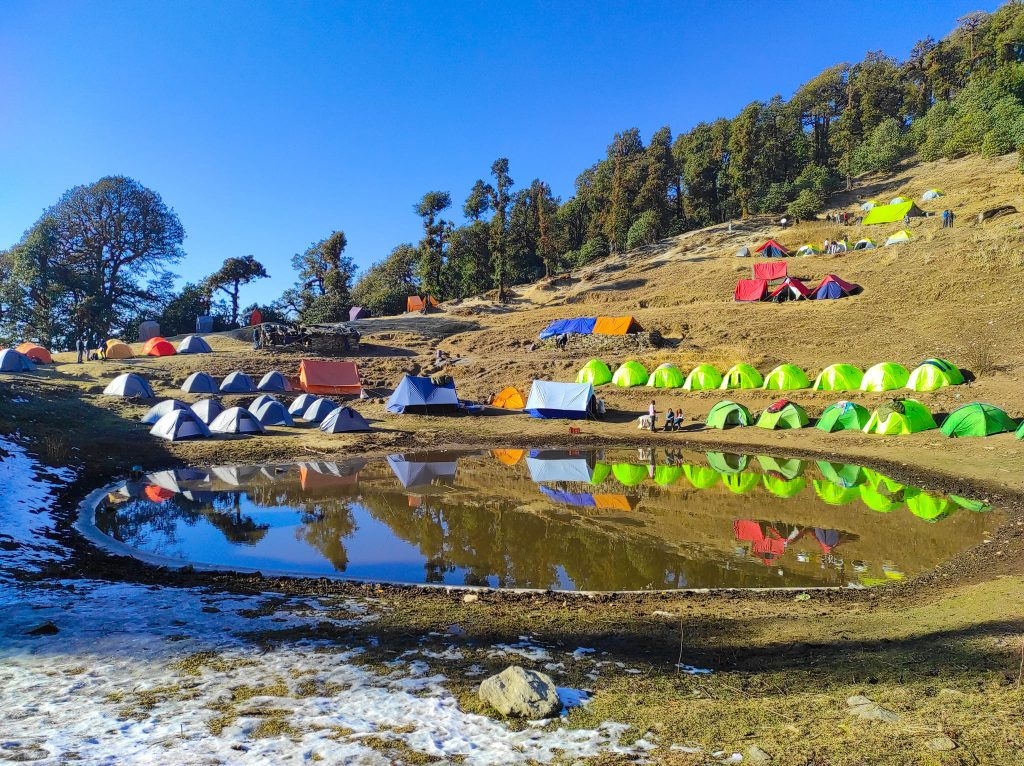
Upon reaching Naya Tapru, the effort of the trek will be more than worth it. Naya Tapru is a tranquil meadow, surrounded by towering peaks, making it an ideal campsite. The sweeping views of snow-capped mountains and the vast sky above provide a breathtaking backdrop. As you settle into your campsite, you’ll have time to relax and reflect on the journey thus far. The evening sky, painted in shades of orange and pink, is the perfect way to end the day. As the stars begin to twinkle overhead, you'll experience the quiet serenity of the mountains, a peaceful silence that is truly unmatched.
This first day of trekking offers the perfect introduction to the beauty and grandeur of the Himalayas, setting the stage for the exciting days ahead.
Day 3
Naya Tapru to Chaklani Camp
On Day 3, your adventure continues as you trek from Naya Tapru to Chaklani Camp. The trail is short but quite rewarding, covering only 2 km, yet it offers a gentle gradual ascent that brings you to an elevation of 3,400 meters. The trek takes approximately 3 hours, allowing ample time to appreciate the surrounding beauty and adjust to the altitude.
The morning begins with a warm breakfast at Naya Tapru before you start your ascent. The first leg of the trek takes you through meadows and alpine pastures where you may encounter herders with their flocks of sheep or goats. The trail gradually climbs through a mix of rocky terrain and sparse forest, with occasional glimpses of the expansive windy open areas. As you make your way up, the panoramic views of the mountains open up further, providing stunning vistas of the nearby peaks that become more defined with every step.
Reaching Chaklani Camp feels like a rewarding achievement. Chaklani is a small clearing, at an altitude of 3,400 meters, the camp offers an elevated perspective of the surroundings, with the majestic mountains towering above. The camp provides a serene setting for reflection and rest before the challenges of the following days.
The evening is also perfect for stargazing, as the clear skies of the Himalayas give you an unobstructed view of the stars above. The tranquility of Chaklani Camp, combined with the awe-inspiring mountain views, will make for a truly unforgettable experience. After a delicious dinner and a restful night under the stars, you'll be ready for the trek ahead.
Day 4
Chaklani Camp to Chandrakhani Pass and Back to Naya Tapru
Day 4 of your Chandrakhani Pass trek is a thrilling day that takes you to the highest point of your journey, the Chandrakhani Pass, and then back to Naya Tapru.
The day begins with an early breakfast at Chaklani Camp, where you’ll set off on a steep climb towards the Chandrakhani Pass. The trek from Chaklani to the pass spans 3 kilometers, but the altitude gain will make the journey feel a bit more demanding. The first stretch takes you through alpine meadows, with wildflowers and grasses swaying in the breeze, before gradually shifting to a more rugged, rocky landscape as you approach the pass. As you near the top, a stunning ridge walk awaits, offering panoramic views of the towering peaks and sprawling valleys below. This ridge, with its sweeping vistas and sheer drops on either side, is a highlight of the journey, making every step feel exhilarating and rewarding.
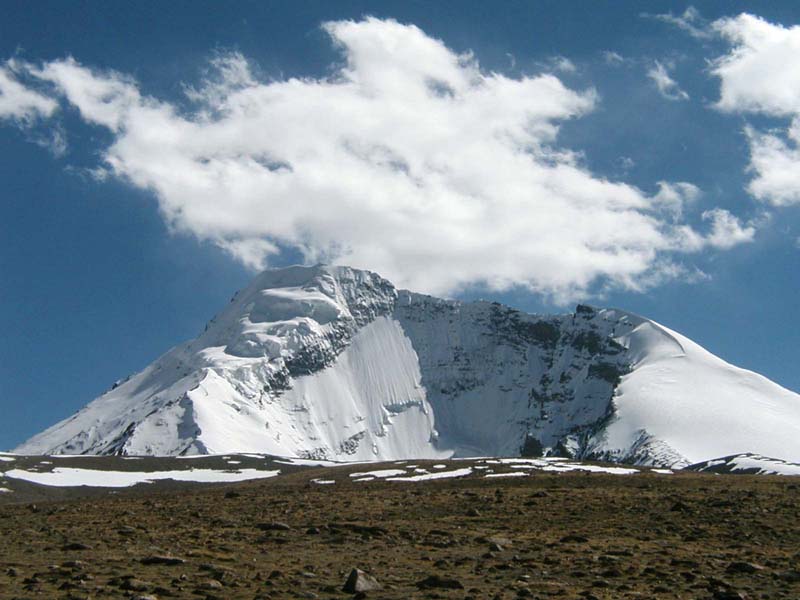
As you ascend, the panoramic views become more expansive, and the beauty of the surrounding mountains, valleys, and forests unfolds. The towering peaks of the Pir Panjal range and Dhauladhar range will dominate your view, offering a backdrop of snow-capped summits that are nothing short of mesmerizing. In the Dhauladhar range, you'll catch sight of Hanuman Tibba, the highest peak of this range. Meanwhile, the Pir Panjal range showcases majestic peaks such as Indrasan, Friendship Peak, Shikar Beh, Mukar Beh, Deo Tibba, and the striking Papsura.
Upon reaching the Chandrakhani Pass at an altitude of 3,700 meters, you’ll be treated to stunning 360-degree views of the surrounding peaks and valleys. The feeling of achievement that comes with standing at the pass, where the Himalayas stretch out before you, is incomparable. Take some time to rest, capture the breathtaking scenery in photos, and appreciate the incredible distance you've trekked to get here.
Chandrakhani Pass is a high mountain pass that serves as a natural connection between the Kullu Valley and the ancient, mysterious Malana Village. Crossing this pass offers a unique experience, as it acts as a gateway to one of the most culturally rich and secluded regions in Himachal Pradesh. Malana is famed for its distinct traditions and governance system, believed to be one of the oldest democracies in the world. The villagers consider their customs, language, and way of life reflect their pride in this heritage.
After soaking in the views of Chandrakhani Pass, you’ll begin your descent back to Naya Tapru. The downhill trek is slightly easier on the muscles but still requires careful footing as you navigate the rocky terrain and loose gravel. The journey back provides new perspectives of the landscapes you’ve passed earlier, allowing you to appreciate the beauty of the area from a different angle.
Reaching Naya Tapru in the late afternoon, you'll have time to rest, relax, and reflect on the achievements of the day. The tranquility of Naya Tapru, with its expansive meadows and scenic beauty, is the perfect spot to unwind after an exhilarating day of trekking. End your day with a hearty meal and a restful night in the camp.
Day 5
Manali to Rumsu Village
Your journey to Chandrakhani Pass begins in the bustling town of Manali, from where you’ll embark on a scenic drive to Rumsu Village. This 29-kilometer drive takes you through verdant valleys, winding roads, and breathtaking vistas that set the tone for the adventure ahead.
Rumsu, the starting point of the trek, is a charming ancient village located at an altitude of 2,100 meters. Known for its Kathkuni architecture, Rumsu offers a glimpse into the traditional Himachali lifestyle. The houses here are built with alternate layers of wood and stone, a style reminiscent of the architecture seen in Bawta and Jakha on the Rupin Pass trek. The village shares cultural and religious ties with Malana, with the locals worshipping the same deity and following similar customs. In the evening you can take short acclimatization walks around the village, then have dinner and rest for the following day.
1. Accommodation (as per the itinerary):
- Camping on Day 1 to Day 4 (Twin sharing).
2. Meals (Veg + Egg):
- From the Day 1st Dinner to the Day 5th Pack lunch.
3. Support:
- 1 Versatile base camp manager: handles communication and deploys extra manpower in emergencies.
- 1 Mountaineering & First aid qualified professional trek Leader.
- 1 Experienced high-altitude chef.
- Local experienced guides (Number of guides depending on the group size).
- Enough support staff.
4. Trek equipment:
- Sleeping bag, Sleeping liners (if required), mattresses, and Utensils.
- 3 men all season trekker tent (twin sharing), Kitchen & Dining tent, Toilet tent.
- Camping stool, Walkie talkie.
- Ropes, Helmet, Ice axe, Harness, Gaiters & Microspikes(if required).
5. First aid:
- Medical kit, Stretcher, Oxygen cylinder, Blood pressure monitor, Oximeter, Stethoscope.
6. Mules/porters to carry the central luggage.
7. Cloakroom facility available at the base camp for additional luggage.
8. All necessary permits and entry fees, Upto the amount charged for Indian.
9.Services from Manali to Manali.
10. Trek Completion Certificate
- Insurance (For non-Indian Nationals, NRI or OCI card holders).
- Food during the transit.
- Any kind of personal expenses.
- Mule or porter to carry personal luggage.
- Emergency evacuation, hospitalization charge, etc.
- Any extra costs incurred due to extension/change of the itinerary due to natural calamities roadblocks, vehicle breakdown, etc. factors beyond our control
- Anything not specifically mentioned under the head Inclusion.
Things can be provided on demand and availability (participant has to pay extra for these things).
1- Satellite phone/set phone - is a type of mobile phone that connects via radio links via satellites orbiting the Earth instead of terrestrial cell sites like cellphones. Therefore, they can operate in most geographic locations on the Earth's surface.
2- Gamow/PAC HAPO Bag (Portable Hyperbaric Bag) - is a unique, portable hyperbaric chamber for the treatment of acute mountain sickness (AMS), also known as altitude sickness.
3- AEDs (Automated External Defibrillators) - are portable life-saving devices designed to treat people experiencing sudden cardiac arrest, a medical condition in which the heart stops beating suddenly and unexpectedly.
No Details Found